Why Your Heat Pump Isn’t Keeping Up in Extreme Temperatures. Heat pumps are powerful devices that can handle both heating and cooling for your home. They operate in the spring, summer, fall, and winter, keeping you comfortable and your energy bills down.
Like any other machine, things can happen that bring its efficiency and effectiveness down. And you don’t want to be stranded in extremely hot or cold temperatures without a functioning HVAC system. If you’re stuck in that situation, SmartHouse can help you find a solution.
If you’re concerned because your heat pump isn’t working in particularly high or low temperatures, we’ve outlined some possible reasons why below, and given an overview of some potential solutions. But if you need professional assistance, you can reach us by phone at 314-370-1816, text us at 314-310-2242, or contact us online for service.
This post looks at the way heat pumps function, what causes their struggles in extreme temperatures (especially the cold), the importance of proper setup, and how a dual fuel system can protect you in very low temperatures.
If you want to skip ahead to a particular section, you can do so with the links below:
Heat pumps provide efficient heating and cooling to homes, similar to a traditional HVAC system. But instead of burning gas to generate heat, it uses refrigerant to transfer heat into and out of your home.
One advantage of heat pumps is that instead of needing a separate heating and cooling system to control your home’s temperature, you only need a heat pump. During the summer, a heat pump works like an air conditioner, absorbing the excess heat in your home and releasing it outdoors.
In the winter, the same operation goes in reverse: Heat is absorbed from the outside air, ground, or water, and then released inside your home. At first glance, this might sound strange, given how cold the outside air can be in St. Louis winters. But modern heat pumps work even in below freezing temperatures. Even though it is cold outside, there is still abundant heat energy available in the air. Newer, ultra-efficient heat pumps can extract this heat and release it inside your home.
In addition to being able to keep your home’s temperature control on one unified system, you can benefit from perks like improved energy efficiency, quieter operations, and long-term savings on your energy bills.
One of the most common heat pump FAQs we hear is “Are heat pumps effective in cold climates like St. Louis?” The simple answer is yes! However, it depends a bit on the type of heat pump you have.
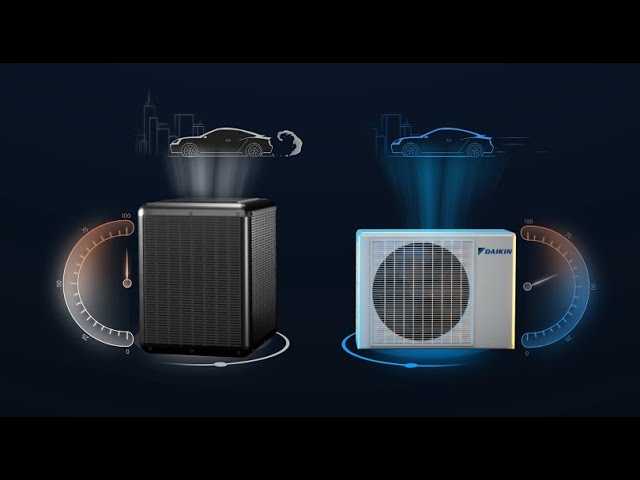
Older, non-inverter heat pumps would begin losing heating efficiency at outdoor temperatures around 40°F, and would lose cooling efficiency as temperatures rose as well. This was in part due to their non-inverter systems, which would start and stop suddenly, using more energy and causing large temperature swings.
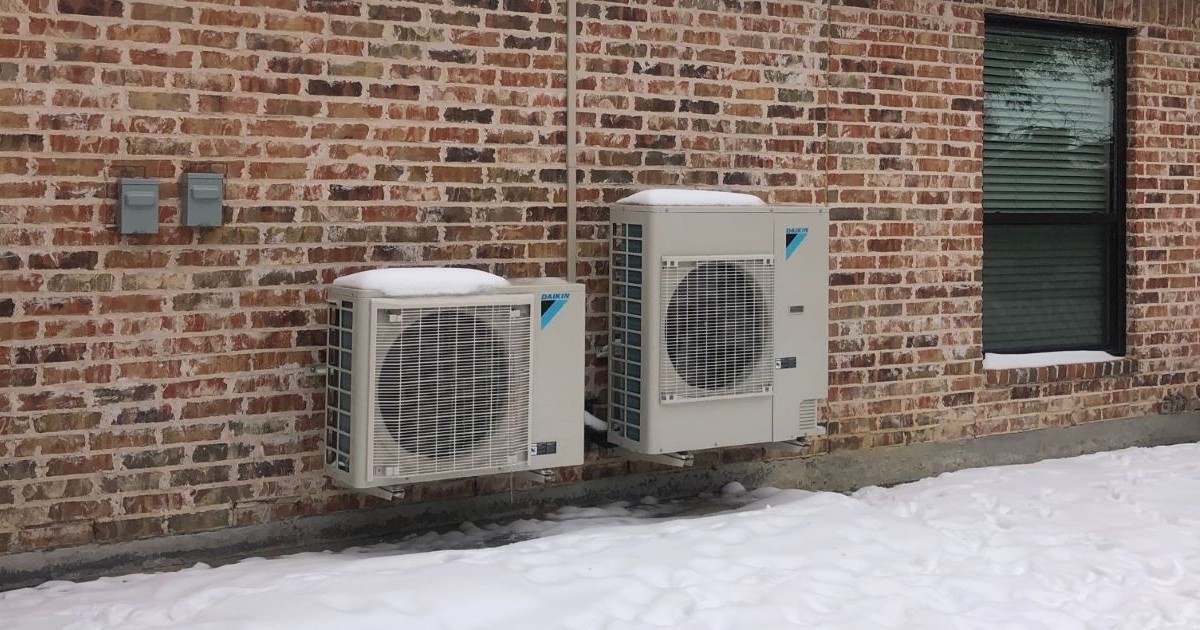
Newer, inverter heat pump systems use variable speeds to continue heating your home even when the temperatures are much lower outside, with some models providing heat in temperatures as low as -22°F. They also provide more consistent cooling and better dehumidification, making them ideal for St. Louis’ steamy hot summers.
One other option to be aware of is geothermal heat pumps. While traditional heat pumps, as described above, get their heat from the air, geothermal heat pumps rely on heat from the ground or water below your house. Because the ground’s temperature is more consistent than the air’s, these systems are practically unaffected by the temperature outside and are excellent for year-round temperature control.
Even if you have a great heat pump system, you could still see struggles in extreme temperatures if it’s in need of maintenance or repairs.
Having an effective heat pump starts with installing it properly. Everything from picking the right location to fitting the piping properly matters, and mistakes can seriously reduce the system’s efficiency. This is why it’s critical to arrange a proper installation by a factory-trained, licensed professional following industry best practices for a fully code-compliant installation.
After the installation, regular professional maintenance is crucial to getting optimal performance and energy efficiency out of your new heat pump. It also satisfies warranty requirements, in case something does go wrong.
You can also follow some best practices to get the most out of your heat pump: Use a smart thermostat, make sure the outdoor unit is clean, and ensure your home is properly insulated. And be sure to check the filters to see if they need to be replaced!
If your unit still isn’t keeping up in harsh temperatures after checking on these things, you might want to call an HVAC repair professional to come take a look at your heat pump. They can catch problems and identify if repairs are needed to boost your system’s performance.
If the extreme temperature swings of St. Louis winters are making you nervous to rely on a heat pump, there is another option: Dual fuel systems. Pairing your new heat pump with a traditional gas furnace gives you the heat pump’s cooling capabilities and energy-efficient heating, while keeping the power of a gas furnace for extreme cold temperatures.
A dual fuel system provides your home with multiple energy efficiency benefits. In less cold temperatures, the heat pump can operate with high efficiency, while the gas furnace can take over when temperatures are drastically low, and it can operate more efficiently. Additionally, if temperatures drop so low that the heat pump can’t reach your desired temperature, the furnace can take over to ensure you remain comfortable.
For many St. Louis homes, a heat pump can be installed to pair with an existing furnace, easily converting your home into a dual fuel system.
SmartHouse’s team of heat pump experts is ready for your call and is here to help. Whether it’s the heat of St. Louis summers or the chills of Missouri winter, we want to make sure you are staying comfortable and safe.
When you hire us, you’re getting:
If your heat pump isn’t keeping up in extreme temperatures, call SmartHouse for service at 314-370-1816, text us at 314-310-2242, or schedule maintenance online for assistance.