Furnace Replacement in Glendale, MO. As cold temperatures arrive with winter, you might be thinking about replacing your furnace. Maybe it’s functioning, but inefficient; maybe you’re trying to be more environmentally friendly; or maybe your home just isn’t as warm in the cold as you’d like it to be.
Replacing your furnace is a big decision, no matter why you’re doing it, and you want to be well-informed before making that choice. You’ll want to consider several details, and we’ll overview the most important factors here, such as:
Whether your Glendale, MO home needs a furnace replacement or repair to keep you warm, SmartHouse Heating and Cooling is by your side. We take a customer-first approach with every house we visit, and we always recommend what we believe will be best for your situation. We’re available to contact 24/7 – if you have a question, get in touch today by calling 314-644-1570, texting us at 314-310-2242, or reaching out online.
There are several clues that your furnace needs a replacement, and you probably won’t be surprised by many. The truth is, if you think you need to replace it for any reason, you need to call a local Glendale, MO HVAC contractor to inspect the furnace and provide guidance on whether to repair or replace.
The clearest indicator is performance. If your furnace is not keeping your home adequately warmed, even when it is working, a replacement is probably needed.
Another aspect to be aware of is the age – the average lifespan of a well-maintained furnace is 15-20 years, and while some can outlast that, they often require frequent repairs. Plus, older systems are often out of warranty, leaving you to pay the full cost when something fails.
If you’re already replacing another part of your HVAC system, like extensive ductwork, replacing your old furnace at the same time provides you with a newer, more efficient system that is covered by a comprehensive warranty.
To recap, you should consider replacing your furnace if:
Most of the time, you can repair an older furnace, but repairs often become expensive fast, especially with older systems outside of warranty coverage.
Repairs to older furnaces can take some unexpected turns. The parts may be unavailable from the manufacturer, making them more expensive. Plus, after the initial part is replaced, the technician may find more issues, requiring further unexpected repairs.
If your older furnace keeps breaking down — especially during the coldest days of the year — it’s likely time to consider replacement.
Replacing your old furnace with a new one will improve performance and efficiency, helping you keep your bills down and shrink your carbon footprint, while enhancing your comfort.
Upgrading also can allow for smart thermostats, zoning systems, and variable speed motors for better control, plus you can consider replacing your furnace with a heat pump for unprecedented flexibility in your home’s heating and cooling.
Your new furnace will give you a new, longer-lasting warranty, helping you avoid high expenses for repairs in the future.
SmartHouse offers both furnace repair and furnace replacement services in Glendale, MO. Call us now at 314-370-1816, or reach out online to get started.
If you’re ready to get a furnace replacement, but aren’t sure what to look for, here are a few factors to pay attention to: efficiency ratings, gas vs. electric furnaces, and motor speed(s).
For gas, oil, or propane furnaces that convert fuel into heat, energy efficiency is measured with the Annual Fuel Utilization Efficiency (AFUE) system. This is expressed as a percentage of how much fuel is converted to heat and how much is lost – an 80% rating means 80% of the fuel is turned into heat and 20% is wasted. A higher rating means less fuel loss and higher savings. AFUE is not used for electric furnaces because electric heating doesn’t burn fuel in the same way and has next to no heat loss.
Most older heating systems rely on either gas or electricity for fuel. Gas furnaces burn natural gas to create heat and require a connection to a natural gas line and venting infrastructure. Gas furnaces with AFUE ratings of 90% and up are considered high-efficiency furnaces.
On the other hand, electric furnaces don’t use gas, and instead generate heat with electricity and resistance coils and may require an electrical upgrade, depending on your home’s current wiring. Because they don’t involve combustion, electric furnaces generally operate at or near 100% efficiency.
The number of motor speeds (AKA stages) your furnace has affects its ability to effectively warm your home:
Heat pumps combine heating and cooling into a single system, rather than having separate systems for each. They work by moving existing heat into or out of your home, rather than creating new heat by burning fuel.
Heat pumps operate in both steaming hot summers and freezing cold winters, a dichotomy that all Glendale, MO residents have experienced firsthand. During winter, heat pumps transport heat into your home from outside, regardless of freezing weather. In the summer, the process is reversed as the heat pump absorbs the heat from inside your home and releases it outdoors.
Heat pumps present several edges over conventional systems, including:
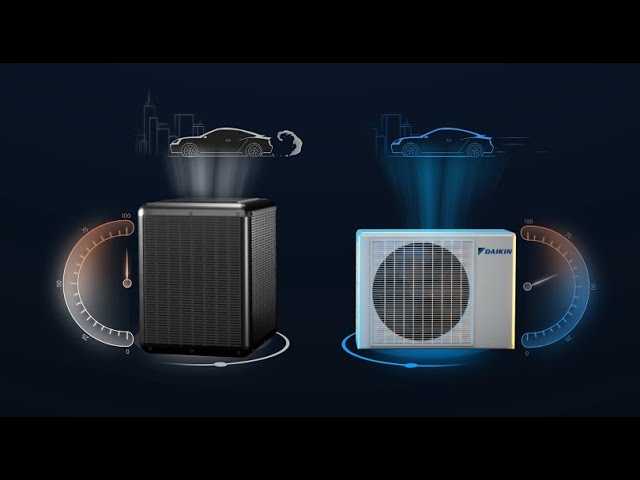
The Daikin FIT heat pump features variable-speed inverter technology for energy efficiency, precise temperature control, terrific dehumidification during Glendale, MO’s steamy summers, and unintrusive noise levels.
Heat pumps can also work alongside a traditional gas furnace, in what’s called a “dual fuel system.” The heat pump cools your home, and handles most of the heating, with the system automatically transferring to the gas furnace in icy conditions, ensuring a warm house no matter how cold it gets outside.
Right now, we’re seeing the best deal we’ve ever seen for high-efficiency HVAC systems, due to intersecting incentives that can offer you unprecedented savings:
Alongside Ameren’s rebates, you can take advantage of tax credits the federal government is offering for high-efficiency heating and cooling systems installed by December 31, 2025. To take advantage of these tax credits, you will need to use a system such as high-efficiency central ACs, air source and ground source (geothermal) heat pumps, mini-split ACs or heat pumps, and smart thermostats (with installation).
Getting your new system installed right— fully code-compliant using industry best practices—means you’ll enjoy stress-free, energy-efficient comfort for years to come. That’s why working with the right technicians is crucial to your satisfaction.
At SmartHouse, we take care of it all – from picking out the right system to fit your needs to expert installation and anything else your system needs! We want your experience to be easy and worry-free, focusing on honest, clear communication, friendly, expert service, and outcomes you can be sure of!
At SmartHouse, we’re here to protect your warmth, improve your comfort, and keep your temperature costs down. When we get started on a project, our technicians ask, “What is the right thing to do?” before making any decisions. Let us show you the SmartHouse difference.
We also offer these services in Glendale, MO: